Designing Robust Payment Systems: Idempotency Keys, State Machines & Webhook Guarantees
Preventing double-charges, ensuring transactional integrity across gateways, distributed idempotency locks, webhook retries, and automated reconciliation.
By Amr Samir• August 19, 2026• 1 min
Designing Robust Payment Systems: Idempotency Keys, State Machines & Webhook Guarantees
1. The Core Golden Rules of Financial Engineering
In payment architectures, failure is inevitable: network drops, third-party timeouts, duplicate requests, and async race conditions. A production payment gateway must guarantee:
- Never Double Charge a Customer.
- Never Deliver Goods Without Verified Payment.
- Always Reconcile Asynchronous State Inconsistencies.
code
[ Client ] -- (Network Timeout) --> [ Payment API ] -- (Charged Successfully) --> [ Stripe / Provider ]
     |
  (User Clicks Pay Again!)
     v
💥 WITHOUT IDEMPOTENCY: User charged twice for a single order!
2. Idempotency Keys Architecture
code
+--------+       1. POST /charge (Idempotency-Key: "uuid-123")      +------------+
| Client | -------------------------------------------------------> | Payment API|
+--------+                                                          +------------+
                                                                          |
                                      +-----------------------------------+-----------------------------------+
                                      | 2. Check Redis lock for key                                           |
                                      v                                                                       v
                            [ First Request ]                                                      [ Replay / Duplicate ]
                                      |                                                                       |
                          Process Charge with Gateway                                              Return Cached Response
                                      |                                                                  Immediately
                          Cache Final Response in DB                                                          |
                                      |                                                                       |
                                      +-----------------------------------> [ Return 200 OK ] <---------------+
3. Strict State Machine Design
Payments must transition through deterministic states:
code
  [ INITIATED ] ---> [ PROCESSING ] ---> [ SUCCEEDED ]
                            |
                            +-----------> [ FAILED ]
4. Verifying Webhooks Asynchronously
typescript
@Post('stripe-webhook')
async handleWebhook(@Req() req: RawBodyRequest<Request>, @Headers('stripe-signature') sig: string) {
  let event: Stripe.Event;

  try {
    // 1. Verify cryptographic signature
    event = this.stripe.webhooks.constructEvent(req.rawBody, sig, process.env.STRIPE_WEBHOOK_SECRET);
  } catch (err) {
    throw new BadRequestException('Webhook signature verification failed');
  }

  // 2. Prevent duplicate event processing via idempotent DB record
  const existingEvent = await this.prisma.paymentEvent.findUnique({ where: { eventId: event.id } });
  if (existingEvent) return { received: true };

  if (event.type === 'payment_intent.succeeded') {
    const paymentIntent = event.data.object as Stripe.PaymentIntent;
    await this.paymentService.markOrderPaid(paymentIntent.metadata.orderId, paymentIntent.id);
  }

  await this.prisma.paymentEvent.create({ data: { eventId: event.id, type: event.type } });
  return { received: true };
}
5. Summary Checklist
- Enforce unique idempotency keys generated on the client side.
- Verify webhook cryptographic signatures and deduplicate event IDs.
- Run scheduled automated reconciliation jobs to sync pending orders.
Recommended Posts


Related Projects
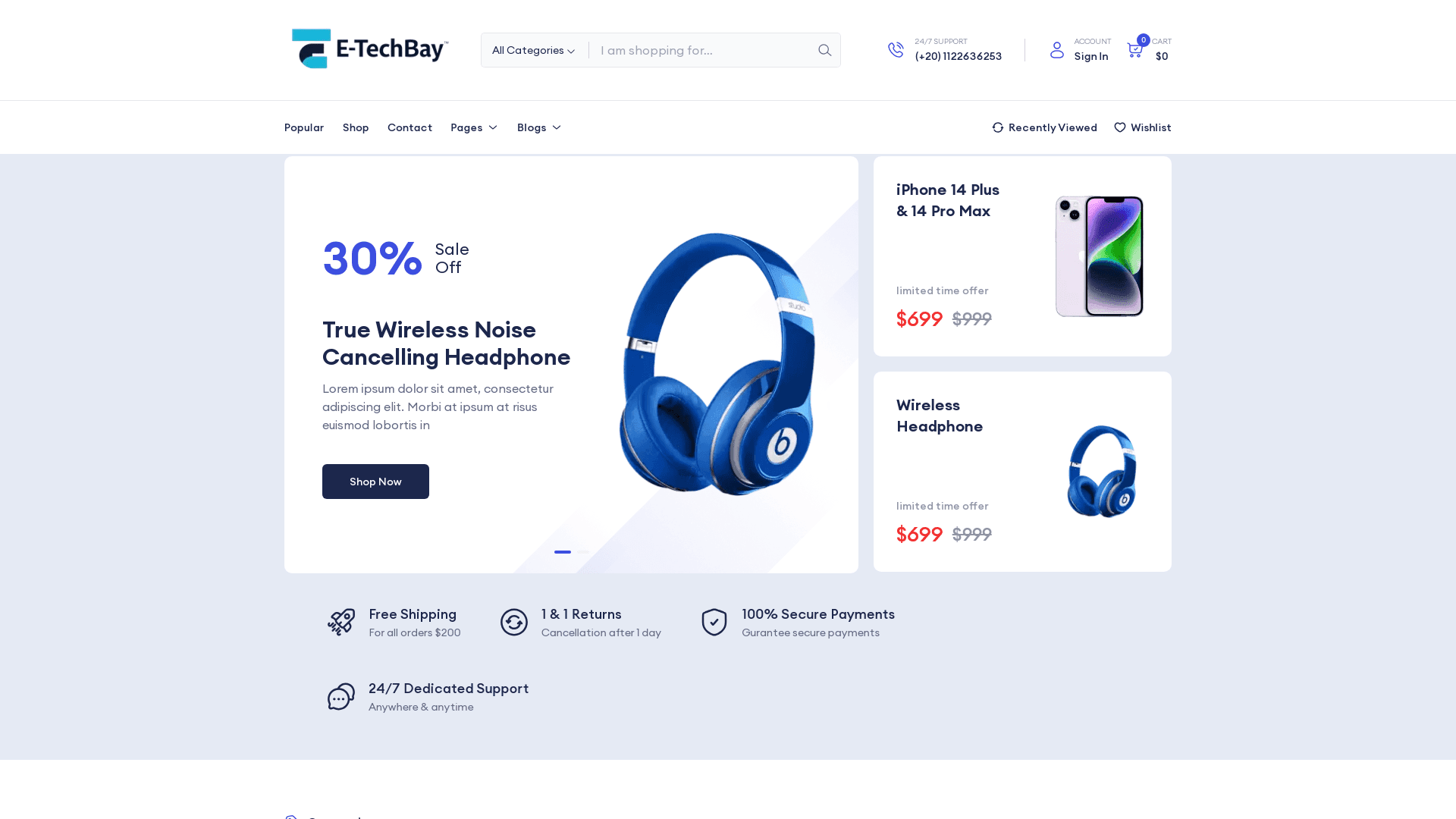
E-techPay - Modern Consumer Electronics Storefront Interface


A responsive e-commerce web storefront built with Next.js and React, featuring dynamic product catalog filtering, interactive cart state, and a streamlined multi-step checkout UI.